
Today’s tip: Take a 10-minute walk after your next meal. It’s free, needs no equipment, and builds the habit of daily movement.
Most beginners don’t quit because they lack discipline. They quit because they start too big, with five workouts a week and a strict diet that falls apart by week three.
If you’re searching for Fitness Tip of the Day TheSpoonAthletic, you probably want something simpler: one clear action you can do today. That’s a smart way to start. One small tip is easy to follow and hard to fail. This guide explains how to use daily tips, which basics matter most, and which mistakes to avoid.
What Is Fitness Tip of the Day TheSpoonAthletic?
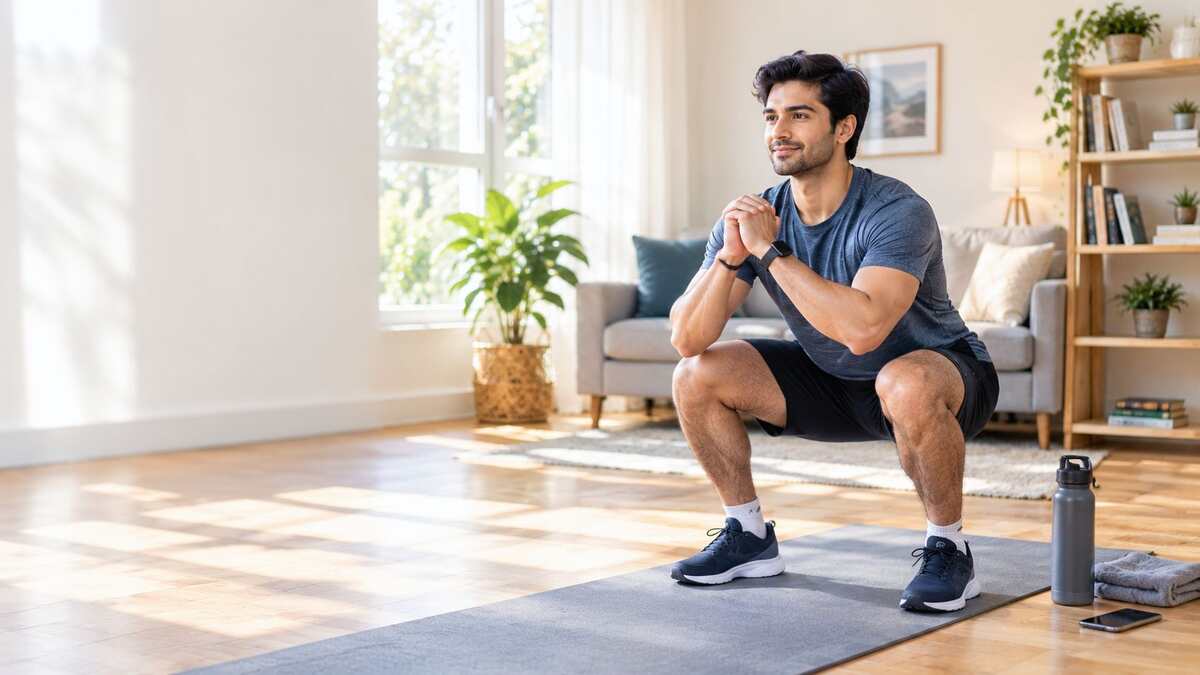
A fitness tip of the day is one short, practical action you can finish in a few minutes, such as stretching your hips, drinking a glass of water before lunch, or doing a set of squats while the kettle boils.
This format suits beginners because it removes the hardest part: knowing where to start. You don’t need to understand training theory first. You do the day’s tip.
A good daily tip is:
- Specific: “Do 10 bodyweight squats” works better than “be more active.”
- Short: Five to 15 minutes at most.
- Realistic: No gym or special equipment.
- Safe: Suitable for someone who hasn’t exercised in a while.
How to Use Daily Fitness Tips as a Beginner
Reading tips is easy. Using them is what creates change.
- Pick a fixed time. Attach the tip to something you already do, like brushing your teeth or arriving home from work. This is called habit stacking, and it reduces your reliance on willpower.
- Act before you read more. One tip done beats ten tips saved.
- Keep a simple log. A phone note with the date and the tip is enough. A ten-day streak is surprisingly motivating.
- Repeat what works. If a morning stretch makes you feel good, keep it. You don’t need a new tip every day for the habit to count.
Why Small Daily Habits Work Better Than Intense Workouts
A hard workout feels productive, but it often leads to soreness, low energy, and skipped sessions. Small habits build consistency.
Compare two beginners. The first does one 90-minute workout, is sore for four days, and never returns. The second does a 15-minute routine daily, feels fine, and is still going three months later. The second person wins, even though each session is easier.
Your body adapts gradually, and your brain needs time to treat exercise as normal. Small steps give both the time they need. They also lower injury risk, since tendons and joints adapt more slowly than muscles, and overdoing it early is a common cause of beginner strains.
Beginner Workout Basics: Strength, Cardio, and Mobility
A balanced beginner routine covers three areas.
Strength training
Strength work builds muscle, supports your joints, and makes daily tasks easier. Start with bodyweight moves:
- Squats or sit-to-stand from a chair
- Wall push-ups or push-ups on your knees
- Glute bridges
- Planks, starting at 15 to 20 seconds
Aim for 2 to 3 sets of 8 to 12 repetitions, and stop when your form slips.
Cardio
Cardio improves heart health and stamina. Brisk walking, cycling, swimming, and dancing all count. WHO guidelines for adults suggest at least 150 minutes of moderate activity per week, which is roughly 30 minutes on five days. You can build up to that gradually.
Mobility and flexibility
A few minutes of gentle hip, shoulder, and spine stretches reduces stiffness, especially if you sit most of the day.
Simple Fitness Tips You Can Do at Home
You don’t need a gym membership. These work in a living room or office:
- Walk after meals. Ten minutes is enough to start.
- Stand up every hour. Set a reminder if you work at a desk.
- Use the stairs when it’s practical.
- Do a TV workout. Squats or marching in place during a show add up.
- Stretch for 5 minutes in the morning to wake up and ease stiffness.
- Use household items. A backpack with books works as light resistance.
If you’re unsure where to begin, pick one and stick with it for a week.
Healthy Eating and Hydration Tips for Beginners
Beginners only need a few nutrition basics. This is general guidance, not medical advice.
- Eat protein at most meals. Eggs, yogurt, lentils, chicken, fish, and beans all work.
- Add vegetables or fruit to every meal. You don’t need to overhaul your diet, just add more.
- Don’t skip meals to make up for a workout. Under-eating leaves you tired and more likely to quit.
- Drink water throughout the day. Needs vary with weather, activity, and body size. Pale yellow urine is a simple sign you’re doing well.
- Stay flexible. A diet you follow 80% of the time beats a perfect plan you drop after a week.
If you have a medical condition, are pregnant, or want to lose a significant amount of weight, talk to a doctor or registered dietitian first.
Sample 7-Day Beginner Workout Plan
Use this gentle starting week and adjust it to your fitness level and schedule.
| Day | Focus | Example | Time |
| Monday | Full-body strength | Squats, wall push-ups, glute bridges | 20 min |
| Tuesday | Light cardio | Brisk walk | 20 to 30 min |
| Wednesday | Mobility | Gentle stretching routine | 15 min |
| Thursday | Full-body strength | Repeat Monday, add a plank | 20 min |
| Friday | Light cardio | Cycling, swimming, or a walk | 20 to 30 min |
| Saturday | Fun activity | Hike, dance, sport, or play | 30 min |
| Sunday | Rest | Easy walk or full rest | Optional |
If a day feels too hard, shorten it instead of skipping it. Ten minutes still keeps the habit alive.
Rest, Sleep, and Recovery Tips
Your body gets stronger during recovery, not during the workout itself. Many beginners skip this part and burn out.
- Sleep 7 to 9 hours if you’re an adult. Poor sleep affects energy, mood, and appetite.
- Take at least one rest day each week, especially early on.
- Know soreness from pain. Mild muscle soreness 24 to 48 hours after a new workout is normal. Sharp, sudden, or joint pain is not.
- Warm up for 3 to 5 minutes before exercise and cool down afterward.
- Progress gradually. A common guideline is to increase time or intensity by about 10% a week.
Common Beginner Fitness Mistakes
Knowing these early can save you weeks of frustration.
- Starting too hard. Begin at a level that feels almost too easy.
- Copying advanced workouts. What suits an athlete can hurt a beginner.
- Ignoring form. Slow, controlled movement beats rushed repetitions.
- Relying only on motivation. Motivation fades, while routines and reminders last.
- Comparing yourself to others. Compare yourself to your own last month.
- Expecting fast results. Visible changes usually take weeks, though energy and mood often improve sooner.
- Skipping rest. More is not always better.
Safety Tips: When to Modify Exercises or See a Doctor
If you’ve been inactive for a long time, have a health condition, or are over 40, consider checking with a doctor before you start.
Modify or stop an exercise if you feel:
- Sharp or sudden pain, especially in a joint
- Dizziness or lightheadedness
- Unusual shortness of breath
Seek medical help right away for chest pain, fainting, or severe breathlessness.
To modify a move, try a lighter version, a smaller range of motion, or fewer repetitions. If it still hurts, swap it for another exercise. Even one or two sessions with a certified trainer can help you learn good form.
How to Stay Motivated and Track Progress
Motivation is easier when you can see progress.
- Track more than the scale. Note energy, sleep quality, push-up count, or walking distance.
- Set small goals. “Walk 20 minutes on four days this week” beats “get fit.”
- Find a partner. A friend or online group adds accountability.
- Celebrate streaks. Seven days in a row is worth noticing.
- Plan for bad days. Decide your minimum in advance, such as five minutes of stretching.
Fitness Tip of the Day TheSpoonAthletic: Quick Start Checklist
If you remember only one section, make it this one:
- Choose one tip and do it today.
- Attach it to an existing habit.
- Keep sessions between 5 and 20 minutes.
- Walk daily, even briefly.
- Do strength moves 2 to 3 times a week.
- Drink water and eat protein with meals.
- Sleep 7 to 9 hours.
- Take a rest day each week.
- Log your streak.
- Stop if something hurts and get advice.
FAQs
How long should a daily fitness tip take?
Usually 5 to 15 minutes. Keep it short enough to finish on busy days.
Do I need a gym or equipment?
No. Most beginner tips use bodyweight, walking, or household items.
How many days a week should a beginner exercise?
Aim for 3 to 5 days of activity with at least one rest day. Light daily movement like walking is fine.
How long until I see results?
Many people notice better energy and mood within 2 to 4 weeks. Visible changes in strength or body shape often take 8 to 12 weeks.
Can I lose weight with daily fitness tips alone?
Exercise helps, but weight loss also depends on nutrition, sleep, and consistency. Daily tips are a good starting point, not a complete plan.
What if I miss a day?
Continue the next day. One missed day doesn’t undo your progress. Try not to skip two days in a row.
Is it safe for people with health conditions?
It depends on the condition. Talk to your doctor first if you have heart, joint, blood pressure, or other health concerns.
Conclusion
You don’t need a perfect plan to get fit. You need small actions repeated often. Fitness Tip of the Day TheSpoonAthletic works best when you treat it as a daily habit instead of a one-time read: one action, a few minutes, no pressure.
Start with today’s tip, keep a streak, and add more when it feels comfortable. Combine strength, cardio, mobility, balanced meals, and enough rest, and results will follow.
Your next step: Pick one tip from this article, do it today, and write it down.
Disclaimer: This article is for general information and isn’t medical advice. Consult a healthcare professional before starting a new exercise or nutrition program.