
Search “musicalifornia” on Google and you’ll likely land on two completely different things. One is a cult 1980s French TV show that filmed some of the biggest punk and new wave acts in history before anyone knew their names. The other is a modern music business run by a working musician. Same name, different stories, and the search results don’t make the difference obvious.
This article clears it up. You’ll learn what the original Musicalifornia show was, who appeared on it, where to watch the footage today, what MuZiCalifornia is instead, and how to tell the two apart at a glance.
What Is Musicalifornia? The 80s French TV Show Explained
Musicalifornia, sometimes styled MusiCalifornia, was a French television music program that aired roughly between 1985 and 1988. It’s often mentioned alongside French music broadcasting of that era, similar in spirit to shows like Les Enfants du Rock.
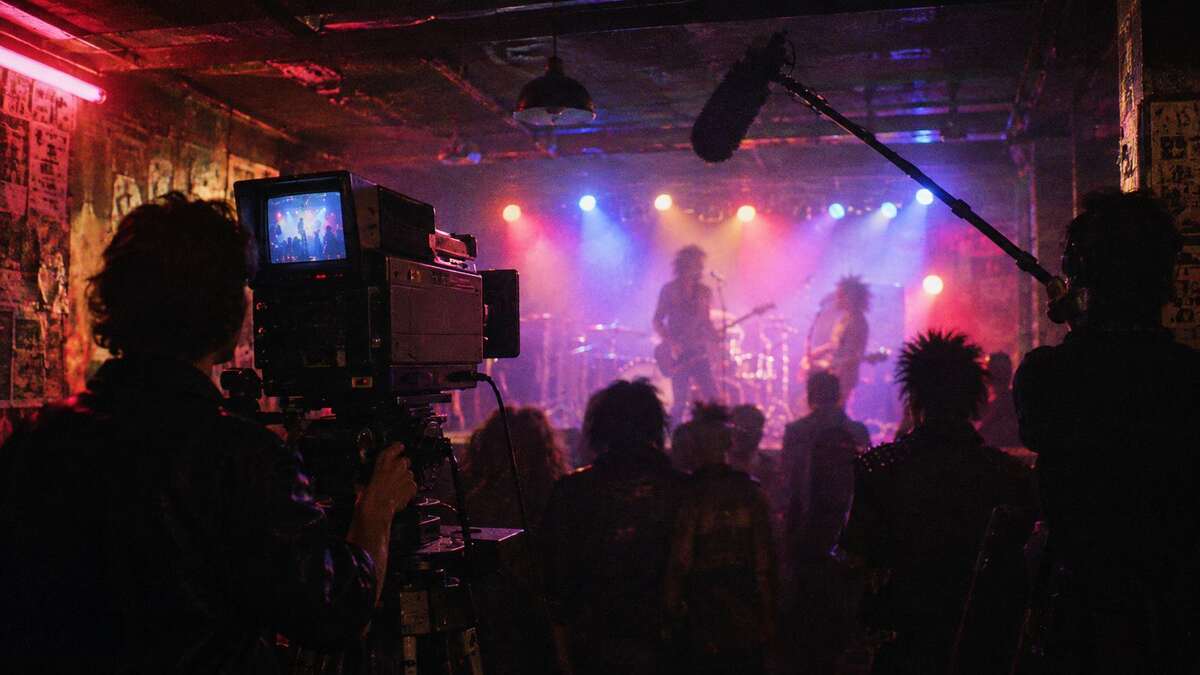
The style was raw and verité, meaning it favored real, unpolished moments over staged performances. Instead of studio sets, cameras were brought into underground Los Angeles nightclubs, capturing bands live in front of the crowds who were there before the world caught on.
For French audiences, it offered an early look at a music scene most of Europe hadn’t discovered yet.
Who Is MuZiCalifornia? A Different Name Entirely
This is where most of the confusion starts. MuZiCalifornia, spelled with a “Z,” has no connection to the TV show.
It’s the name behind a modern music business run by Zoey Lynne, a third-generation professional musician. Her site centers on original music services such as writing, arranging, recording, and performing, built around her own career.
One is a decades-old broadcast archive. The other is a working musician’s personal brand. They just sound almost identical, which is why search engines keep grouping them together.
Why the Two Names Keep Getting Mixed Up
A few things are driving the confusion:
- The spelling differs by a single letter: “Musicalifornia” vs “MuZiCalifornia.”
- Both are music related, so context doesn’t immediately separate them.
- Search results blend them, with domain listings, archives, and business pages all surfacing for the same query.
- The original show is obscure enough that most searchers don’t know it exists, so they assume every result with the name refers to the same thing.
It’s a simple case of two unrelated things sharing a name, with no page explaining the difference until now.
Musicalifornia vs MuZiCalifornia at a Glance
| Musicalifornia | MuZiCalifornia | |
| What it is | 1980s French TV show | Modern musician’s business |
| Spelling | With a “C” | With a “Z” |
| Era | Mid-to-late 1980s | Present day |
| Focus | LA punk and new wave footage | Original music services |
| Where to find it | Archives, YouTube, footage libraries | muzicalifornia.com |
If you’re after old footage of underground LA bands, you want the show. If you’re looking for a musician offering writing or performance services, you want the “Z” spelling.
Inside the Original Show: Format, Era, and Setting
Rather than booking bands into a studio, producers filmed inside actual Los Angeles nightclubs, the same rooms where the punk and new wave scenes were forming night after night.
This gave the footage a documentary feel decades before “behind the scenes” content became standard. Interviews were casual and performances were live, capturing a specific moment: LA’s underground scene right as it was about to go mainstream.
That timing is part of why the archive still matters. Many of the bands filmed were still small and local, which makes the footage feel less like a music show and more like a time capsule.
Bands and Artists Featured on the Show
This is usually what draws people to Musicalifornia in the first place. Archive listings and surviving footage point to a genuinely stacked lineup, including:
- Red Hot Chili Peppers, filmed well before mainstream fame
- The Bangles
- X and The Knitters
- Jane’s Addiction
- Oingo Boingo
- T.S.O.L.
- The Pandoras
- Black Flag (early lineup footage)
- Lone Justice
- Raszebrae
One archived episode reportedly dedicates roughly half its runtime to Lone Justice, alongside performances from The Pandoras, The Bangles, Raszebrae, and an early-lineup Black Flag, a snapshot of how much ground a single episode could cover.
If you’re a fan of any of these acts’ early years, this is close to a fly-on-the-wall view of their pre-fame club shows.
Where to Watch Archival Footage Today
Surviving Musicalifornia footage isn’t on a mainstream streaming platform, but it hasn’t disappeared either. A few places to check:
- YouTube uploads: some episodes and clips have surfaced from VHS transfers, often posted by archival or fan channels.
- Retro footage libraries: specialty archives that catalog old TV footage sometimes list Musicalifornia clips by date and venue.
- Fan and band specific archives: sites dedicated to particular artists, like early Red Hot Chili Peppers material, occasionally host or reference relevant clips.
- Regional music archive projects: local music history sites sometimes tag episode details even without hosting the full video.
Quality varies since much of this comes from decades old VHS sources, but for fans of the era, that rawness is part of the appeal.
MuZiCalifornia’s Background in Music and Business
Switching gears entirely, MuZiCalifornia the modern brand has nothing to do with vintage TV archives.
It’s built around Zoey Lynne, a third generation professional musician, suggesting a genuine multi-generational family background in music. Her site focuses on active services: writing, arranging, recording, and performing.
If you’re looking to book a musician or explore original music production, this is the site you want, just make sure to spell it with a “Z.”
How to Tell the Two Apart Before You Click
A quick check before clicking:
- Looking for old footage or band history? You want Musicalifornia, the “C” spelling and the 1980s French TV archive.
- Looking for a musician’s services, like writing or recording? You want MuZiCalifornia, the “Z” spelling.
- Does the result mention bands like RHCP, The Bangles, or Black Flag? That’s the TV show.
- Does the result mention a personal musician’s bio or services? That’s the modern brand.
- Is the domain listed for sale or parked? Some domains tied to this name appear as unrelated for-sale listings, separate from both the show and the musician.
Running through these questions takes seconds and saves you from clicking the wrong result.
Musicalifornia’s Legacy in LA Punk and New Wave History
Even though it never became a household name, Musicalifornia holds a genuine place in music history. It captured a specific moment: LA’s underground punk and new wave scene right before several of its acts became globally famous.
For fans and researchers of that era, footage like this is valuable precisely because it wasn’t staged for mainstream appeal. It shows bands as they were, in the rooms where the scene actually lived, filmed by outsiders who happened to be paying attention when almost no one else was.
That’s the real legacy: a foreign broadcast quietly preserving a piece of American music history that might otherwise have faded with old VHS tapes.
FAQs
Is Musicalifornia the same as MuZiCalifornia?
No. Musicalifornia, with a “C,” refers to the 1980s French TV show that filmed underground LA bands. MuZiCalifornia, with a “Z,” is an unrelated modern music business run by musician Zoey Lynne.
What bands appeared on Musicalifornia?
Confirmed acts include Red Hot Chili Peppers, The Bangles, X and The Knitters, Jane’s Addiction, Oingo Boingo, T.S.O.L., The Pandoras, Black Flag, Lone Justice, and Raszebrae.
When did Musicalifornia air?
The show is generally dated to around 1985 to 1988, a period when French TV featured several similar rock and alternative music programs.
Where can I watch old Musicalifornia episodes?
Some footage has surfaced on YouTube through fan and archival uploads, along with mentions on retro footage libraries and regional music archive sites.
Why does musicalifornia.com show up as a domain for sale?
Domain listings can appear independently of both the TV show and the musician’s brand. A parked or for-sale domain doesn’t necessarily connect to either one.
Is MuZiCalifornia related to the sheet music platform results?
Not directly. Sheet music platforms sometimes index user-uploaded content under similar names, which is a separate source of search overlap.
Final Takeaway
Musicalifornia and MuZiCalifornia share a name but point to two different worlds. One is a fading but fascinating slice of 1980s French TV history, filmed inside the LA clubs where punk and new wave were taking shape. The other is a present-day musician’s business built on family history and original music.
If you’re chasing rare footage and band history, look for Musicalifornia with a “C.” If you’re looking for a musician’s services, it’s MuZiCalifornia with a “Z.”