
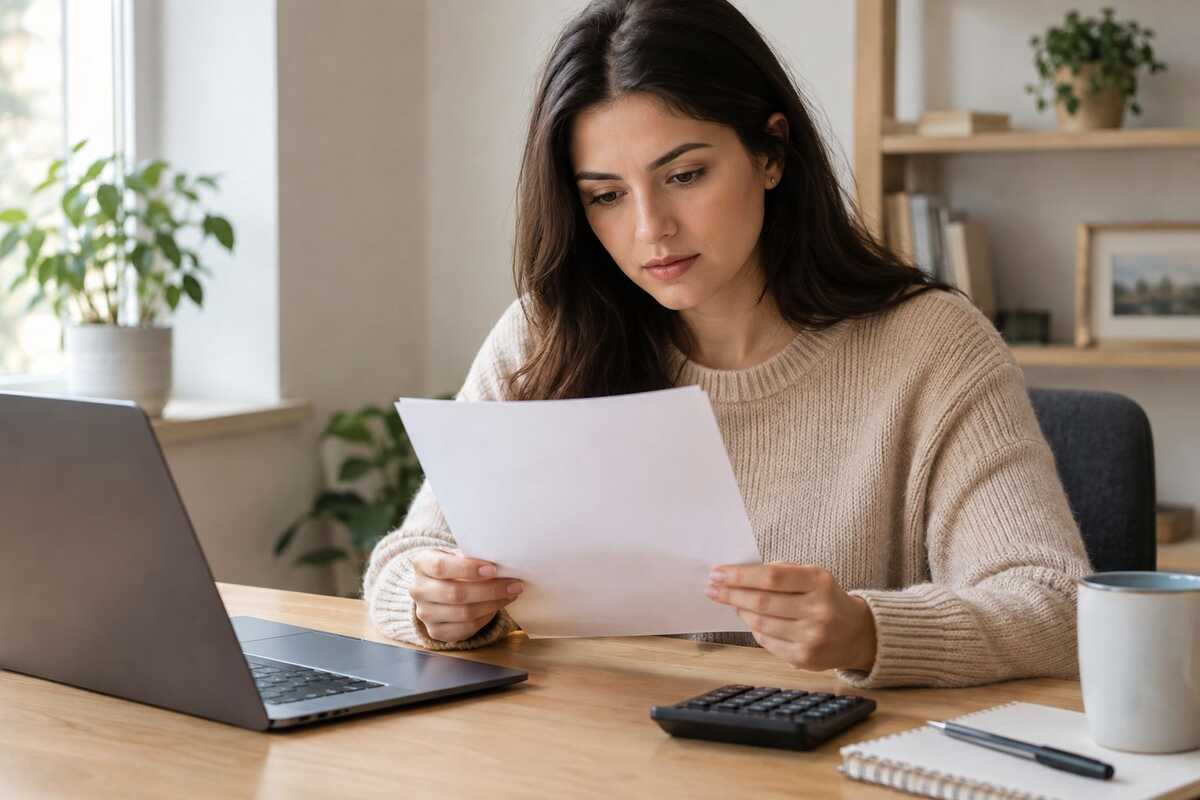
If you’ve recently received one of the HMRC savings tax letters, you’re probably wondering why it arrived and whether you actually owe anything. You’re not alone. Thousands of savers get these letters each year, often for the first time, with little idea what triggered them.
This guide explains what these letters mean, why HMRC sends them, how to check whether you owe tax, and how to respond safely.
Why Do You Get Letters From HMRC About Savings Interest?
Interest earned on savings counts as income, and income can be taxable. Banks and building societies report interest paid on savings accounts to HMRC at the end of each tax year. HMRC compares this against your income tax records, and if your interest looks like it’s gone over your tax-free allowance, a letter is triggered.
This is usually routine, not a sign you’ve done anything wrong. Common reasons people receive these letters include:
- Rising savings rates, so smaller balances now earn more interest than before
- Several savings accounts adding up to a larger combined total
- A pay rise moving you into a different tax bracket and reducing your allowance
- A fixed-term savings bond paying out a lump sum of interest in one go
What HMRC Savings Tax Letters Actually Mean
At their core, these letters tell you that you may owe tax on savings interest. They’re not fines, and in most cases they’re not urgent demands for immediate payment.
They usually fall into one of three categories:
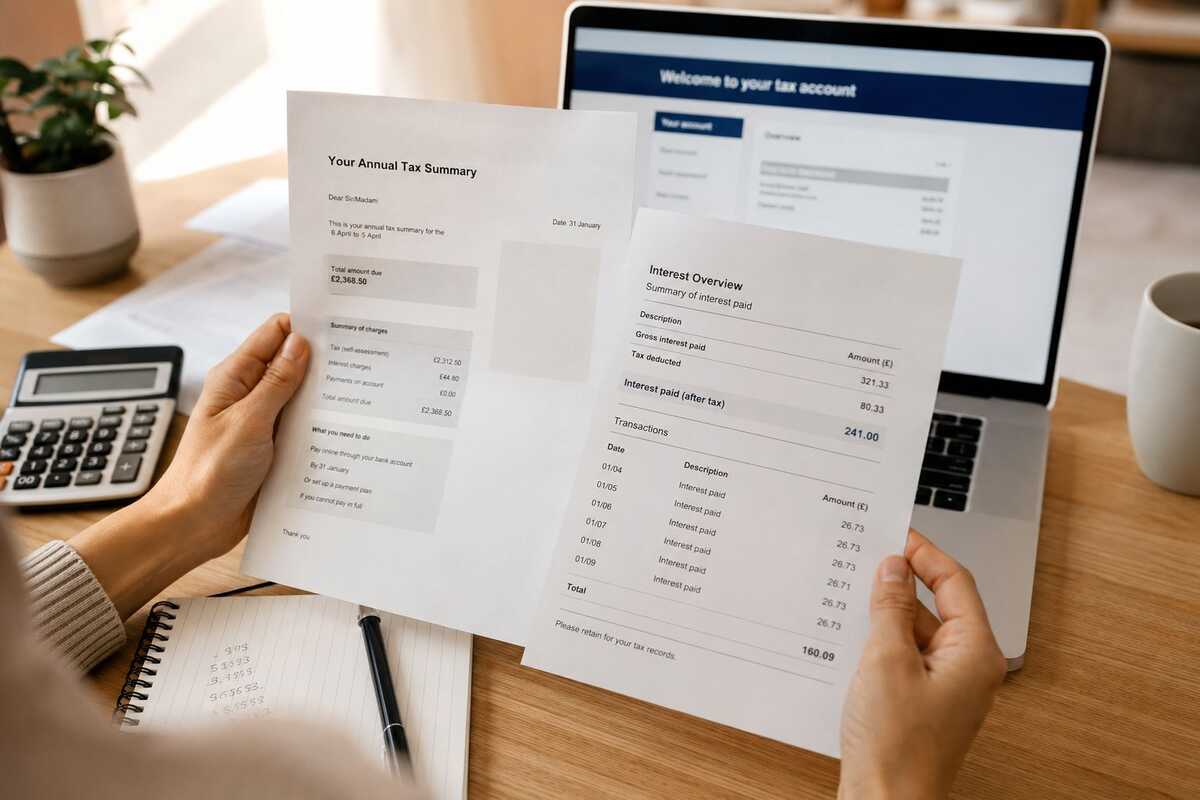
- A P800 tax calculation, showing HMRC’s estimate of your tax position for the year
- A Simple Assessment letter, setting out tax owed based on income HMRC already holds
- A general reminder letter, asking you to check your records and confirm if tax is due
How to Identify Which Type You’ve Received
Look for a reference like “P800” or “Simple Assessment” near the top of the letter. If neither appears, it’s likely a general reminder rather than a formal bill, which usually means no immediate payment is required, just a review on your end.
Understanding the Personal Savings Allowance (PSA)
Most people get caught out simply because they don’t know the Personal Savings Allowance exists. This is the amount of interest you can earn each tax year before it’s taxed, and it depends on your income tax band:
- Basic rate taxpayers: up to £1,000 tax-free
- Higher rate taxpayers: up to £500 tax-free
- Additional rate taxpayers: no allowance
Anything above your allowance is taxed at your usual income tax rate. So if you’re a basic rate taxpayer earning £1,200 in interest for the year, only £200 above your allowance is taxed.
This is why rising interest rates in recent years have pulled more ordinary savers into paying tax on interest for the first time. Balances that used to earn very little now generate enough to cross the threshold.
How Does HMRC Know About Your Savings Interest?
Since 2017, banks and building societies have been required to report interest payments directly to HMRC. This happens automatically, so in most cases you don’t need to declare it yourself.
HMRC already holds:
- The name of your bank or provider
- The total interest paid into each account
- Your National Insurance number, linking it to your tax record
This is why the letter can feel like it’s come out of nowhere. HMRC isn’t guessing. The data is usually matched to your record months before the letter arrives.
Is the Letter Genuine or a Scam?
HMRC-branded scams are common, so it’s reasonable to check a letter before acting on it, especially if it asks for payment or personal details.
Signs of a genuine HMRC letter:
- No link to click, attachment to download, or request for bank details by reply
- A specific reference number and, where relevant, your Unique Taxpayer Reference (UTR)
- Details that match what you can verify through your personal tax account on GOV.UK
Signs of a scam:
- Urgency, threats of arrest, or demands for payment by gift card or unusual methods
If anything feels off, don’t respond directly. Log into your HMRC online account or call HMRC using the number listed on GOV.UK, not the number printed on the letter.
How to Check If You Actually Owe Tax on Savings
Before acting, confirm whether you genuinely owe tax rather than assuming the letter is correct.
- Add up your total savings interest for the tax year, excluding ISAs, which are tax-free
- Check your income tax band, since this determines your PSA
- Subtract your PSA from your total interest to see what’s left
- Compare this figure to the one HMRC used in the letter
If the numbers don’t match, contact HMRC directly rather than paying an amount you’re unsure about. Mistakes happen, particularly if you closed an account or switched providers mid-year, so if you spot a genuine error, here’s how to dispute an HMRC savings tax error and get it corrected.
What to Do After Receiving the Letter
Your next step depends on the type of letter you’ve received.
If it’s a P800 or Simple Assessment showing tax owed:
- Review the calculation
- Pay by the deadline stated, usually within 30 days
- Contact HMRC if you disagree with the figures
If it’s a general reminder letter:
- Check your own records against the PSA thresholds
- Report any additional tax through Self Assessment if you already file one
- Contact HMRC if you’re unsure whether action is needed
If you don’t file Self Assessment: HMRC will usually adjust your tax code to collect the amount through your salary, so you won’t need to make a manual payment.
How to Pay HMRC If You Owe Tax
There are a few official ways to settle what’s owed:
- Online through your HMRC personal tax account, by debit card or bank transfer
- Through a PAYE tax code adjustment, if you’re employed and the amount is manageable through payroll
- By cheque or bank transfer, following the instructions on your letter
Use the payment reference on the letter. If you need to pay your Simple Assessment tax bill, only use payment links from the official GOV.UK website, never one sent by text or email.
What Happens If You Ignore the Letter
Ignoring an HMRC savings tax letter is one of the most avoidable mistakes people make. If tax is genuinely owed and no action is taken:
- Interest can build on the amount owed the longer it’s unpaid
- Penalties may apply if the deadline passes without payment or contact
- HMRC may adjust your tax code without your input, which can cause confusion later
Even if you think the letter is wrong, staying silent is rarely the safer option. A quick call or online message to flag a discrepancy is better than assuming it will resolve on its own.
Common Mistakes to Avoid
- Assuming ISA interest counts toward the PSA. It doesn’t, since ISA interest is already tax-free
- Forgetting that joint account interest is split 50/50 between account holders for tax purposes
- Ignoring the letter because it seems unlikely you owe anything, only for penalties to build later
- Paying immediately without checking the calculation, even when the figures look off
- Responding to a suspicious letter by clicking a link or calling the number printed on it
Checking these details before acting can save time and money later.
Where to Get Help
- HMRC helpline: 0300 200 3300 (listed on GOV.UK)
- Personal tax account: Check your interest and tax records directly through GOV.UK
- Webchat support: Available through your online HMRC account for quick queries
If your situation involves multiple income sources, a qualified accountant can review your full tax position rather than just the interest flagged in the letter.
FAQs
Do I have to pay tax on savings interest?
Only if your total interest for the tax year exceeds your Personal Savings Allowance: £1,000 for basic rate taxpayers, £500 for higher rate taxpayers.
Why did I get a letter if my ISA earns interest?
ISA interest is tax-free and shouldn’t count toward your taxable interest. If your letter includes ISA interest, contact HMRC to correct it.
Is this letter the same as a tax bill?
Not always. Some letters simply ask you to check your records. Others, like a P800 or Simple Assessment, state an amount owed with a payment deadline.
Can HMRC take tax straight from my savings?
No. HMRC collects owed tax through your PAYE tax code or a payment you make yourself. It doesn’t withdraw funds from your savings account.
What if I think the letter is a scam?
Don’t click any links or call the number on the letter. Verify it through your HMRC personal tax account or by calling the number listed on GOV.UK.
How long do I have to pay if I owe tax?
Most letters give a 30-day deadline from the date of issue, though this can vary by letter type.
Final Thoughts
Receiving an HMRC savings tax letter usually means your savings have grown enough to cross your Personal Savings Allowance, not that something has gone wrong. Read the letter carefully, check the figures against your own records, confirm it’s genuinely from HMRC, and respond within the deadline given.
Check your allowance, confirm the numbers, and contact HMRC directly if anything is unclear. Handled this way, HMRC savings tax letters are a straightforward task to tick off, not something to worry over.
One thought on “Got HMRC Savings Tax Letters? Here’s What to Do Next”