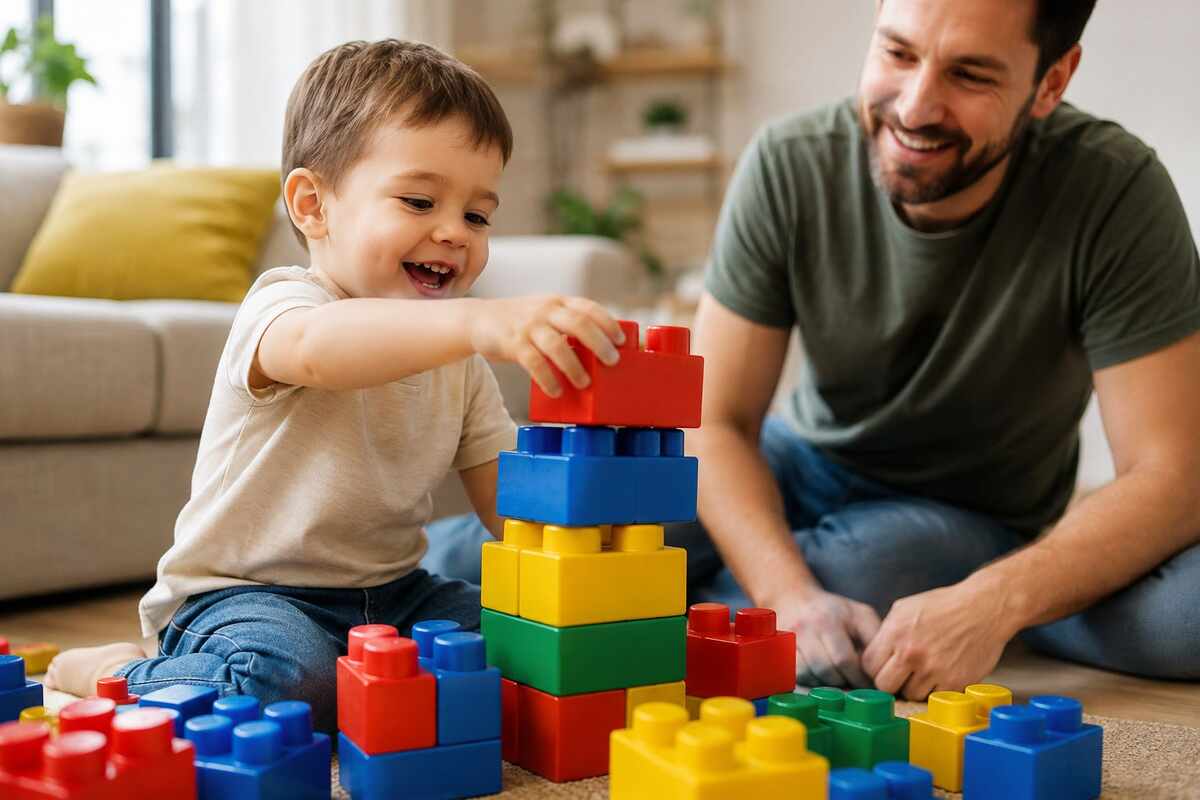
If you’ve seen BiggoBlocks pop up while shopping for toddler toys, you’ve probably wondered the same thing most parents do before buying anything big and plastic: is it actually safe? BiggoBlocks jumbo building blocks are oversized, easy-to-grip building sets made for kids ages 3 to 8, built for both indoor and outdoor play. They look sturdy and fun, but “looks safe” isn’t the same as confirmed safe.
This guide covers what actually matters before you buy: materials, choking risk, age fit, supervision needs, and how BiggoBlocks compares to other big-block brands.
What Are BiggoBlocks Jumbo Building Blocks Made Of?
BiggoBlocks are made from thick, molded plastic and sold in sets ranging from 24-piece starter kits to 192-piece jumbo sets. Some sets include extras like toy cars for added play value.
A few material details worth knowing:
- Rigid but lightweight plastic that stacks well without being heavy enough to cause serious injury if it falls.
- Smooth, molded surfaces with no exposed screws or small attached parts that could break off.
- Weather-resistant construction, since the brand is designed for outdoor use as well.
Plastic quality can still vary by batch and manufacturer. Before buying, check the listing for material safety labeling, such as BPA-free or non-toxic certification, since this isn’t always highlighted in the product description.
Are Jumbo Building Blocks Safe for Kids Under 3?
BiggoBlocks is labeled for ages 3 to 8, and that range reflects real developmental readiness, not just a marketing suggestion.
For toddlers under 3, the risk usually isn’t swallowing (the blocks are too large for that). It comes down to:
- Balance and weight. Younger toddlers may struggle to lift or stack blocks safely, raising the chance of a block toppling onto them.
- Throwing. Kids under 3 are more likely to throw toys, and a large block thrown at close range can hurt.
- Coordination. Younger children may not yet build stable structures, leading to unpredictable collapses.
If a child under 3 is interested in the blocks, supervise closely. Block size alone doesn’t make play automatically safe.
Choking Hazards: What to Check Before Buying
The main safety advantage of jumbo blocks over standard bricks is a much lower choking risk, simply because each piece is too large to fit in a toddler’s mouth.
Still, check for a few things before purchasing:
- Small accessories. Sets with add-ons like toy cars or connector pins may carry more risk than the blocks themselves.
- Detachable parts. Even large blocks shouldn’t lose pieces during normal play.
- Age labeling. Sets with smaller extras may be better suited to the older end of the 3–8 range.
As a rule, bigger and simpler sets carry lower choking risk. Sets bundled with small toys need a closer look.
Size and Weight: Are the Blocks Too Big or Heavy?
“Jumbo” cuts both ways. Blocks large enough to avoid choking risk can also be heavy enough to cause a bump if one falls from a stacked tower.
A few things to plan around:
- Stack height. Taller towers mean more force if a block falls, so it’s worth setting a reasonable height limit for younger kids.
- Grip. Rounded edges and grooved surfaces help small hands hold blocks securely and reduce drops.
- Storage weight. A full bin of jumbo blocks gets heavy fast, which matters if kids carry the storage container themselves.
This isn’t a dealbreaker. It just means jumbo size is a feature to manage, not ignore.
Sharp Edges, Toxic Materials, and Other Red Flags
These warning signs apply to any building block set, not just BiggoBlocks:
- Sharp seams or mold lines, often a sign of lower manufacturing quality.
- Strong plastic odor, which can point to lower-grade materials.
- No visible safety certification, such as ASTM F963 compliance in the U.S.
- Peeling paint or coating, which can turn into a choking hazard on its own.
Scan the product listing and customer photos for these issues before buying. Buyer feedback often reveals manufacturing inconsistencies that marketing images don’t show.
How BiggoBlocks Compares on Safety Standards
Because of their size, BiggoBlocks jumbo building blocks carry a built-in safety advantage over smaller bricks, similar to Mega Bloks’ larger sets or foam building blocks.
| Feature | BiggoBlocks (Plastic) | Foam Blocks | Standard LEGO/DUPLO |
| Choking risk | Low | Very low | Low (DUPLO) to higher (LEGO) |
| Impact if dropped | Moderate | Very low | Low |
| Outdoor durability | High | Low | Moderate |
| Weight for toddlers | Moderate to heavy | Very light | Light |
If choking risk is your top concern, BiggoBlocks performs well. If impact from a falling block worries you more, foam alternatives are gentler for younger or accident-prone toddlers.
Indoor vs Outdoor Play: Safety Tips for Each Setting
BiggoBlocks work indoors and outdoors, but each setting has its own considerations.
Indoors:
- Keep towers away from stairs or hard tile floors.
- Store blocks so they don’t become a tripping hazard.
Outdoors:
- Check grooves and connection points for dirt buildup, which can create a slip risk.
- Avoid leaving blocks in direct sun for long periods unless the listing confirms UV-resistant plastic, since heat exposure can make plastic brittle over time.
- Rinse and dry blocks after outdoor play, especially if kids tend to put their hands in their mouths afterward.
Both settings work fine with supervised play. It’s mostly about adjusting for the hazards specific to each environment.
Ideal Age Range for Jumbo Building Blocks
BiggoBlocks is labeled for ages 3 to 8, and that range tracks with real child development milestones:
- Ages 3–4: Simple stacking and shape recognition. Wobbly towers and collapses are normal here.
- Ages 5–6: Better coordination allows for more complex builds, like forts or simple vehicles.
- Ages 7–8: Kids can usually handle larger sets (96+ pieces) and more detailed, imaginative builds.
If your child is on the younger end of the range, start with a smaller set, like a 24-piece beginner kit, before investing in a larger one.
Age fit matters just as much for other toy types. If you’re also considering outdoor sand toys, our guide on Sandlader toys and age suitability walks through similar age-based considerations.
Supervision Guidelines for Safer Play
Supervision is what actually prevents most accidents, even with a well-designed toy. A few practical habits:
- Set a stacking height limit appropriate for your child’s age.
- Establish a no-throwing rule early, since jumbo blocks carry more force than smaller toys.
- Watch group play closely. Most bumps happen during sibling or playdate sessions, usually from excitement rather than the toy itself.
- Check the play area for hard corners or furniture edges that could turn a stumble into an injury.
These habits apply to any large, stackable toy, but they matter more given the size and weight of jumbo blocks.
How to Clean and Maintain Large Building Blocks
Cleaning isn’t just about hygiene. It also helps catch cracks or wear before they become a hazard.
- Wipe with mild soap and water rather than harsh chemical cleaners, which can weaken plastic over time.
- Check periodically for cracks or splitting, especially on blocks used outdoors often.
- Dry thoroughly before storage to prevent mold in grooves or connection points.
- Retire any damaged blocks instead of keeping a cracked piece in rotation.
A quick monthly check, especially for heavily used sets, catches wear before it turns into a real problem.
FAQs
Are BiggoBlocks jumbo building blocks a choking hazard?
No, not typically. Their size makes them much harder to swallow than standard building bricks. The exception is sets with smaller bundled accessories, like toy cars or connectors, which should be checked separately.
What age is recommended for BiggoBlocks jumbo building blocks?
Ages 3 to 8. Younger kids within that range should start with smaller sets and be supervised closely.
Are BiggoBlocks jumbo building blocks toxic?
Most jumbo plastic block brands, including BiggoBlocks, use non-toxic plastic meant for children’s use. Still, check the product listing for safety certifications before buying.
Can BiggoBlocks jumbo building blocks be used outdoors?
Yes. They’re built for indoor and outdoor play and hold up better than cardboard or foam alternatives. Clean them after outdoor use.
Are jumbo building blocks safer than regular LEGO bricks?
In terms of choking risk, yes, since their size makes them harder to swallow. Standard bricks are lighter, though, so the injury risk from a falling or thrown piece is usually lower.
Do BiggoBlocks jumbo building blocks require supervision?
Yes, like any large stackable toy. Supervision matters most for stacking height, throwing, and group play, where most accidental bumps happen.
Conclusion
BiggoBlocks jumbo building blocks are a reasonably safe choice for kids in the 3 to 8 age range, especially compared to smaller building brick sets where choking is a bigger concern. Their size is a genuine safety advantage, but it comes with trade-offs like weight and impact risk that parents should plan around.
The real safety factor isn’t the toy alone. It’s choosing the right set size for your child’s age, supervising active play, and doing occasional wear checks. Handled that way, BiggoBlocks jumbo building blocks can be a solid, low-risk addition to a toddler’s toy collection.