
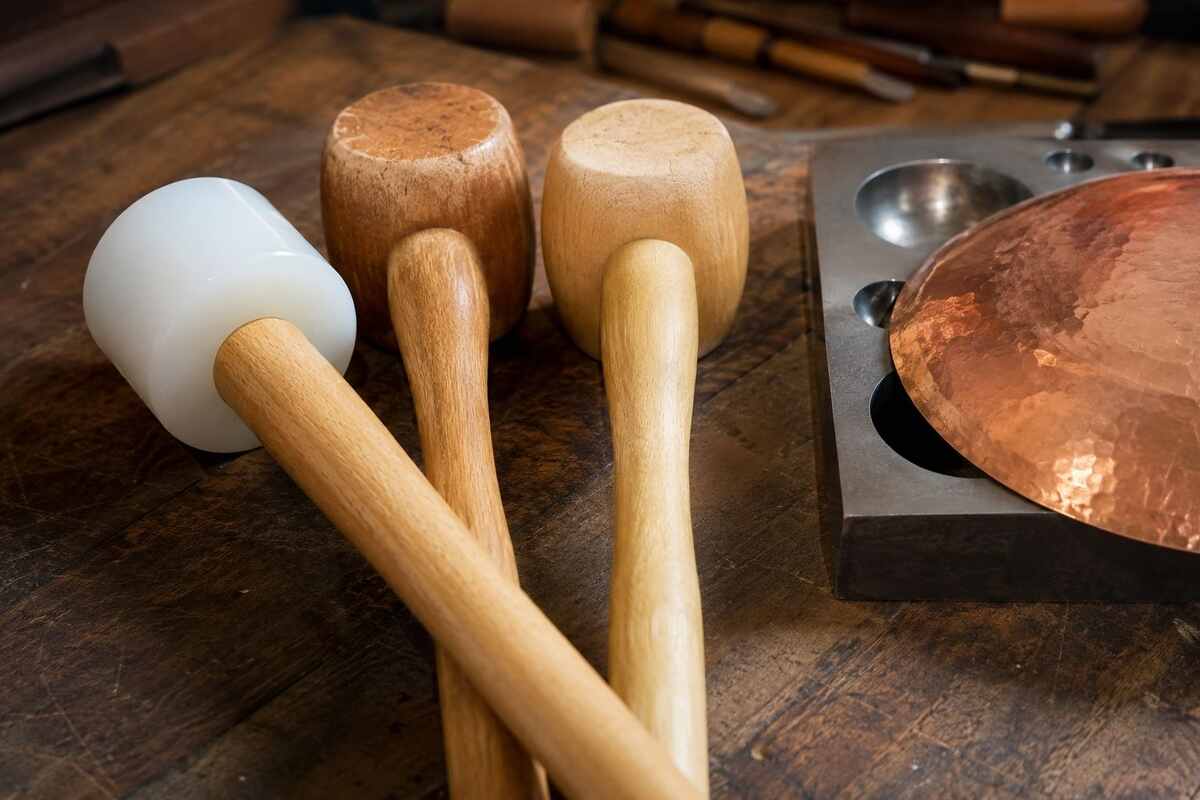
If you’ve just unboxed your mallets and you’re not sure which head goes with which task, you’re not alone. Many people pick up a metalace bossing mallet set of 3 expecting it to work like a regular hammer, then end up denting their metal or tiring out their wrist from guesswork. This guide walks you through the setup, technique, and small details that make the difference between a rough shaping job and a clean, controlled one.
Whether you’re shaping jewelry, working sheet metal, or doing repoussé and chasing, here’s everything you need to use the set correctly from the first strike to the final finish.
What Is a Bossing Mallet Set Used For in Metalworking?
Bossing mallets are shaping tools, not striking tools. Their job is to move metal through stretching, doming, and forming without leaving sharp dents behind.
Common uses include:
- Doming metal sheets into bowls, spoons, or curved jewelry pieces
- Raising and sinking techniques in silversmithing
- Smoothing ripples during the shaping process
- General metal forming where a steel hammer would mark the surface
The rounded, softer heads (usually nylon, rawhide, or wood) let you apply real force while keeping the metal clean, which matters if you’re planning to polish or finish the piece afterward.
Getting to Know the Metalace Bossing Mallet Set of 3
A metalace bossing mallet set of 3 usually includes different head sizes, and sometimes different materials, so each mallet handles a different stage of shaping.
- Large head for broad, general shaping across bigger surfaces
- Medium head for controlled doming and mid-stage forming
- Small head for detail work, tight curves, and finishing touches
Weight balance matters too. A well-balanced mallet lets you work with your wrist instead of your whole arm, which keeps fatigue down during longer sessions.
Tools and Workspace You Need Before You Start
Your setup affects your results as much as your technique does.
- A dapping block or sandbag to support the metal while shaping
- A stable, non-slip work surface
- A metal sheet or blank suited to your project (copper and silver are common starting points)
- Safety glasses, since metal can occasionally flick debris
- A cloth or mat to keep grit off your mallet heads
Working on a hard, unsupported surface is one of the most common reasons beginners struggle to get clean results. The metal needs room to move as you shape it.
How to Choose the Right Mallet for Each Task
Using the wrong mallet for the stage you’re in slows you down and increases the chance of mistakes.
Large mallet: initial rough shaping, covering large surface areas quickly Medium mallet: refining a dome or curve that’s already taking shape Small mallet: tight corners, edges, and final detail work
A simple rule to follow: start big and get smaller as the piece nears completion. This mirrors how most experienced metalworkers naturally progress through a project.
Step-by-Step Guide to Using the Metalace Bossing Mallet Set of 3
- Anneal your metal if needed to soften it for shaping. If you’re new to the process, here’s a full breakdown of how annealing works.
- Place the metal on your dapping block or sandbag.
- Start with the large mallet, using light, even strokes from the center outward.
- Rotate the metal frequently to keep the shaping even.
- Switch to the medium mallet once the basic shape starts forming.
- Check your progress against a reference shape or template if you have one.
- Finish with the small mallet to smooth out remaining high spots.
- Anneal again if the metal feels stiff or resistant, which is normal during shaping.
Going slowly through the large-mallet stage saves time later. Rushing this step is where most shaping mistakes happen.
Proper Hand Grip and Striking Technique
Grip affects accuracy more than swing strength does.
- Hold near the end of the handle for better leverage and less wrist strain
- Let the mallet do the work; you’re guiding it, not forcing it
- Use your wrist for small movements and your forearm for broader strokes
- Keep strikes consistent in force and angle, especially when doming, so the metal stretches evenly
A relaxed grip almost always produces better results than a tense one. Tension shows up in your work as uneven strikes.
Shaping and Doming Metal Without Causing Damage
Doming is where the metalace bossing mallet set of 3 earns its place in your toolkit, since a metal hammer would leave marks that are hard to remove later.
To dome cleanly:
- Work from the center outward in a spiral pattern
- Overlap your strikes slightly to avoid uneven ridges
- Rotate the piece constantly instead of focusing too long on one spot
- Anneal between rounds if the metal starts resisting the shape
If you notice thinning or stress lines, stop and anneal before continuing. Pushing through stressed metal is one of the fastest ways to crack a piece you’ve already put time into.
Common Mistakes Beginners Make With Bossing Mallets
- Skipping annealing and trying to force shape into hardened metal
- Using the wrong mallet size for the current stage of work
- Striking too hard too early, which stretches metal unevenly
- Working on an unsupported surface, which limits how the metal moves
- Forgetting to rotate the piece, leading to lopsided domes
Most of these come down to pacing rather than skill. Slowing down early prevents nearly all of them.
Cleaning, Maintenance, and Storage Tips
Mallet heads pick up grime and oils over time, especially nylon and rawhide ones, which can transfer marks onto your metal if left uncleaned.
- Wipe heads down with a dry cloth after each use
- Avoid submerging rawhide heads in water, as it can warp them
- Store mallets flat or hanging rather than standing on their heads
- Check handles periodically for looseness or cracking
- Keep the set away from direct sunlight or excess humidity, which dries out rawhide over time
A well-maintained set will outlast a poorly stored one, even with the same amount of use.
Metalace Bossing Mallet Set of 3 vs Other Mallet Sets
Compared to single mallets or mismatched sets pieced together from different brands, a matched metalace bossing mallet set of 3 offers a few practical advantages:
- Consistent weight and balance across all three mallets
- Head sizes designed to complement each other through a project’s stages
- No guesswork matching handle grip or head material between tools
More advanced metalworkers sometimes add specialty mallets for niche techniques, but for most hobbyists and intermediate crafters, a three-piece set covers the majority of shaping needs without extra purchases.
Safety Precautions Every Metalworker Should Follow
- Wear safety glasses when striking metal
- Keep your workspace clear of clutter that could cause slips
- Inspect mallet heads and handles before each use for cracks or looseness
- Avoid working on unstable surfaces that could shift mid-strike
- Take breaks during long sessions to reduce repetitive strain
These habits are simple but easy to skip when you’re focused on the work. Building them in early pays off over time.
FAQs
What is a bossing mallet used for?
Shaping and doming metal sheets without leaving dents or marks, commonly in jewelry making, silversmithing, and general metalworking.
Can I use a bossing mallet on any type of metal?
Yes, though softer metals like copper and silver are easier to shape, especially for beginners. Harder metals need more frequent annealing.
Why does my metal keep cracking when I shape it?
This usually means the metal has work-hardened from repeated striking. Annealing it periodically softens the metal and prevents cracking.
Do I need all three mallets, or can I just use one?
You can shape metal with a single mallet, but having three sizes lets you move from rough shaping to fine detail work with better control.
How do I know if my mallet heads are damaged?
Look for cracks, chips, or flattening on the head surface. Damaged heads can mark your metal and should be replaced or repaired.
Is a bossing mallet the same as a regular hammer?
No. Bossing mallets have softer, rounded heads built for shaping metal without marking it, while regular hammers are harder and meant for striking or joining.
Conclusion
Using a metalace bossing mallet set of 3 well comes down to a few habits: choosing the right mallet for each stage, supporting your metal properly, and annealing when the metal calls for it. Once those basics become second nature, shaping metal stops feeling unpredictable and starts feeling like a skill you’re building one piece at a time.