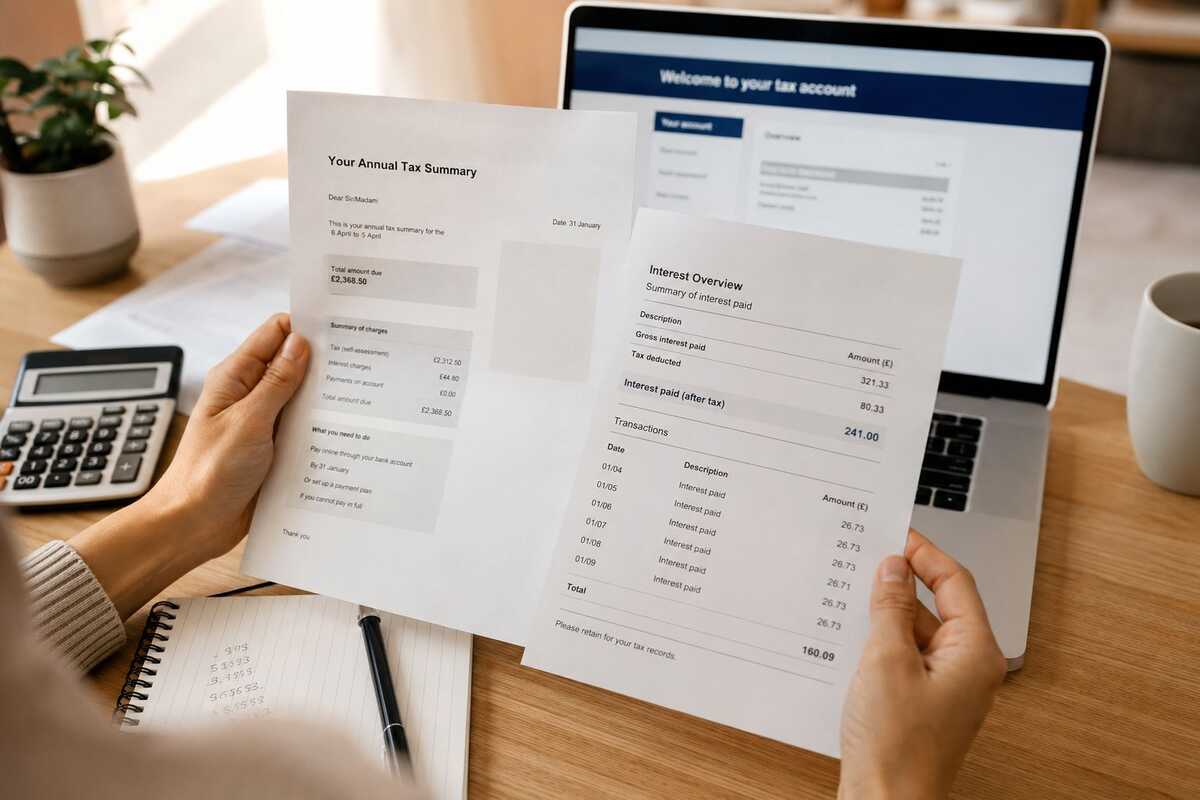
You see an unfamiliar name in an ad, a group chat, or a search result. It sounds like a stock, it comes with big promises, and someone wants you to act fast. That is the moment to slow down and check.
Business FTASIAStock is one of those names. In our search, we found no official company page, exchange listing, or regulator record for it. Most results were near-identical pages with filler text and unrelated finance phrases. That doesn’t prove anything on its own, but it is a good reason to be careful.
This guide gives you a practical process for verifying business ftasiastock or any similar name. You’ll learn how to check a ticker, confirm a company’s registration, read official filings, vet a broker, and spot warning signs.
This article is educational and not financial advice.
What Is Business FTASIAStock and Why Are People Searching for It?
People usually search for a name like this for one of three reasons:
- They saw it in an ad, social post, or message and want to know if it’s real.
- They’re thinking about investing and want to check it first.
- They came across it in search results and are curious.
Here is what we can and can’t say. We found no verifiable company, fund, or ticker with this exact name in official sources. It may be a garbled version of something legitimate, such as an index or fund name like “FTSE Asia,” or it may be a made-up label meant to attract clicks or build false trust.
Until independent proof appears, treat it as unverified. The steps below show you how to test that yourself.
Check Whether the Ticker Symbol Exists
A ticker symbol is the short code a stock trades under. Checking it is the fastest way to settle the question.
US exchange tickers usually have one to five letters, such as AAPL or MSFT. “FTASIASTOCK” has eleven characters and reads like a phrase, which is already a red flag.
To check any ticker:
- Search it on the official exchange website (NYSE, Nasdaq, London Stock Exchange, or your local exchange).
- Look it up on a major financial data platform and see whether a price history, market cap, and company profile appear.
- Find out whether it trades on an exchange or only over the counter, where oversight is lighter.
If no real listing appears in reputable sources, don’t invest.
Confirm the Company Is Registered With Official Regulators
Real businesses that sell shares or investments leave a paper trail. Check three places:
- Company registry: Search your country’s corporate registry, such as Companies House in the UK or a state business registry in the US.
- Securities regulator: Search the SEC in the US, the FCA in the UK, or your local securities commission.
- Investor alerts: Regulators and IOSCO publish warnings about unlicensed or fraudulent firms.
Be wary of any company that says it is “registered” without naming the registry or giving a registration number. Registration should be something you can verify on your own.
Look Up SEC Filings and Financial Statements
Public companies in the US must file reports with the SEC, and anyone can read them for free on the EDGAR database. Look for:
- Annual and quarterly reports (10-K and 10-Q): revenue, profit, debt, and risks.
- Current reports (8-K): major events such as leadership changes or lawsuits.
- Offering documents: what the company is selling and on what terms.
A business that claims to be public but has no filings has a serious credibility problem. In other countries, look for the equivalent filings on your regulator’s or exchange’s website.
Verify the Exchange, Broker, and Trading Platform
A real stock can still be sold through a shady platform, so check the platform as carefully as the stock.
- Search the broker in a regulator database, such as FINRA BrokerCheck or the SEC’s Investor.gov tools in the US.
- Confirm the firm is licensed to operate in your country.
- Be cautious of platforms you can only reach through a private message, a link from a stranger, or an app outside official app stores.
- Find out how withdrawals work before you deposit anything.
If a platform can’t show who runs it and where it is licensed, walk away.
Where to Find Reliable Business FTASIAStock Market Data
Not every “market data” page contains real data. Some sites are built to look authoritative while saying nothing specific.
Trustworthy sources include:
- Official exchange websites
- Regulator databases such as EDGAR
- Established financial data providers and financial news outlets
- The company’s investor relations page, cross-checked against the sources above
Warning signs on a data page:
- Vague, repetitive text with no real numbers
- No price chart, date, or author
- Long lists of unrelated finance terms
- Hosting on unrelated domains, such as school or government sites with no link to finance
A page that repeats a keyword without telling you anything specific was written for search engines, not for readers.
Search for Complaints, Reviews, and Warnings Online
Once the basics check out, see what other people say. Search the name along with words like “complaints,” “warning,” “withdrawal problems,” or “fraud.”
Read with care, because reviews can be faked in both directions. Scammers post glowing ones, and competitors post harsh ones. Look for patterns instead of single opinions, such as many people describing the same withdrawal problem. Also check regulator warning lists and consumer protection sites.
A lack of complaints doesn’t mean a lack of risk. A new or obscure operation may simply not have been reported yet.
Evaluate the Business Model, Team, and Financial Health
If a company passes the earlier checks, ask whether it is a good investment, not just a real one.
- What does it sell? You should be able to explain how it makes money in a sentence or two.
- Who runs it? Real leaders have verifiable careers. Check names on professional profiles and news archives.
- Are the financials healthy? Look at revenue trends, debt, and cash flow, not just the story.
- Are the returns realistic? Guaranteed, high returns aren’t realistic in any legitimate market.
For example, a company promising 5% weekly returns should raise suspicion immediately, because that would compound to an impossible figure within a year. Real investments carry risk, and honest sellers say so.
Red Flags to Watch for in Any Investment Claim
These patterns appear again and again in investment fraud:
- Guaranteed or unusually high returns
- Pressure to act fast, such as “limited spots” or “last chance”
- Requests to move the conversation to a private messaging app
- Payment demands in crypto, gift cards, or wire transfers to personal accounts
- Unlicensed sellers or refusal to share registration details
- Vague explanations of how profits are generated
- Trouble withdrawing money, or new “fees” before you can withdraw
- Testimonials you can’t verify
One flag alone may have an innocent explanation. Several together are a strong reason to stop.
How to Protect Your Money if Something Looks Suspicious
If something feels off, act early.
Before you invest:
- Don’t send money until you’ve verified the company, the platform, and the license.
- If you can’t verify it, skip it.
- Ask a licensed financial adviser or someone you trust to review it.
If you already sent money:
- Stop sending more, even if you’re told it will unlock your funds.
- Contact your bank or payment provider right away and ask about a chargeback or recall.
- Save screenshots, messages, receipts, and account details.
- Report it to your securities regulator and your country’s fraud or cybercrime authority. In the US, that includes the SEC, the FTC, and the FBI’s IC3.
- Be wary of “recovery services” that contact you afterward. They are often a second scam.
Business FTASIAStock Due Diligence Checklist Before Investing
Use this checklist for business ftasiastock or any unfamiliar investment name:
- Ticker confirmed on an official exchange
- Company found in an official business registry
- Listed with or licensed by a recognized regulator
- Filings and financial statements available and readable
- Broker or platform verified in a regulator database
- No unresolved warnings or patterns of complaints
- Clear business model and named leadership
- Returns described honestly, with risks disclosed
- No pressure, secrecy, or unusual payment methods
If you can’t tick most of these, you have your answer.
FAQs
How do I know if a stock ticker is real?
Search it on the official exchange website and a reputable financial data provider. A real ticker shows a company name, trading history, and listing venue.
Is Business FTASIAStock a legitimate company?
We couldn’t verify it. Our searches found no official listing, regulator record, or filings under this name. Until you find independent proof, treat it as unverified and don’t send money.
Where can I check if a company is registered?
Use your country’s official business registry and securities regulator. In the US, that includes state registries, the SEC’s EDGAR database, and FINRA BrokerCheck.
What are the first signs of a stock or investment scam?
Guaranteed returns, pressure to act fast, unlicensed sellers, and unusual payment requests are the most common warning signs.
Can a company be real but still a bad investment?
Yes. Registration doesn’t mean a company is profitable or well run. Check its financial health, debt, and business model too.
What should I do if I already sent money?
Stop sending funds, contact your bank or payment provider, keep all records, and report it to your securities regulator and local fraud authorities.
Conclusion
Researching business ftasiastock comes down to one rule: verify before you trust. Confirm the ticker exists, check that the company and broker are registered, read the official filings, look for complaints, and watch for red flags like pressure and guaranteed returns.
If a name can’t pass those checks, it isn’t ready for your money. The same process will protect you the next time an unfamiliar investment shows up in your inbox.
Takeaway: No verification, no investment.