If you’ve come across the name “Amcoder” on a developer forum, a coding marketplace, or a software vendor’s website, you probably have one question: what actually is this? A fair number of people search for it every month, and most of the answers online are vague or repetitive.
Here’s the short version: it isn’t one company. It’s a name used by several independent tech businesses, developer platforms, and digital agencies. Some use it for custom app development, others for coding education, and a few for selling ready-made scripts. That overlap is why the search results feel scattered.
This guide breaks it all down. You’ll learn where the name comes from, who uses it, what services fall under it, and how to figure out which one is actually relevant to you.
What Is Amcoder? A Quick Overview and Definition
Amcoder refers to a group of separate, unaffiliated tech businesses and platforms that share the same brand name. It’s an unusual situation, but not as rare as it sounds. Short, catchy tech names get reused by different founders fairly often.
Depending on where you encountered the term, it could mean:
- A software development agency building websites and apps for clients
- A coding education platform teaching programming skills
- A marketplace seller offering PHP scripts and web tools
- An individual developer publishing content under the name
None of these is “the real one.” They’re distinct businesses that happened to pick a similar name, likely because it reads as a natural shorthand for “a coder” and fits a development-focused brand well.
The Meaning and Origin of the Amcoder Name
There’s no single official origin story, since there’s no single official company. But the naming pattern itself is easy to explain.
The word reads as a blend of “am” (as in “I am”) and “coder,” suggesting a personal or professional coding identity. It’s the kind of name a developer might pick for a portfolio site, or a small agency might choose because it’s short and easy to remember.
This pattern is common in tech branding. Names built around “coder,” “dev,” or “code” get reused constantly because they’re descriptive and available across platforms.
Why the Term Is Used by Multiple Companies
This is where most of the confusion clears up.
When a name is short, brandable, and not trademarked by a major global company, different businesses in different regions can end up choosing it independently. This happens more often than people expect in software and web development, where:
- Domain names get registered by different people in different countries
- Small studios often skip trademark research before naming a business
- The same name can appear on marketplaces, social platforms, and standalone websites without any real conflict, since the businesses aren’t direct competitors
So if you’ve seen the name on a PHP script from a coding marketplace and also as the title of a software agency’s website, you’re looking at two separate teams, not one business operating across platforms.
Types of Businesses and Platforms Using This Name
To make this practical, here’s where the name tends to show up:
Software development agencies build custom websites, apps, and internal tools, usually for small businesses.
Coding education platforms teach programming fundamentals, often aimed at students or career-changers.
Marketplace script sellers list pre-built PHP applications, project management tools, or social networking scripts on platforms like CodeCanyon, ready to deploy.
Digital and marketing agencies bundle web development with marketing, branding, or app design under one roof.
Independent creators use the name for a personal brand, YouTube channel, or portfolio.
Knowing which category applies to what you found is the fastest way to tell if it’s relevant to your needs.
Core Services and Solutions Offered Under This Brand
The specifics vary by entity, but most businesses using this name offer some combination of the following:
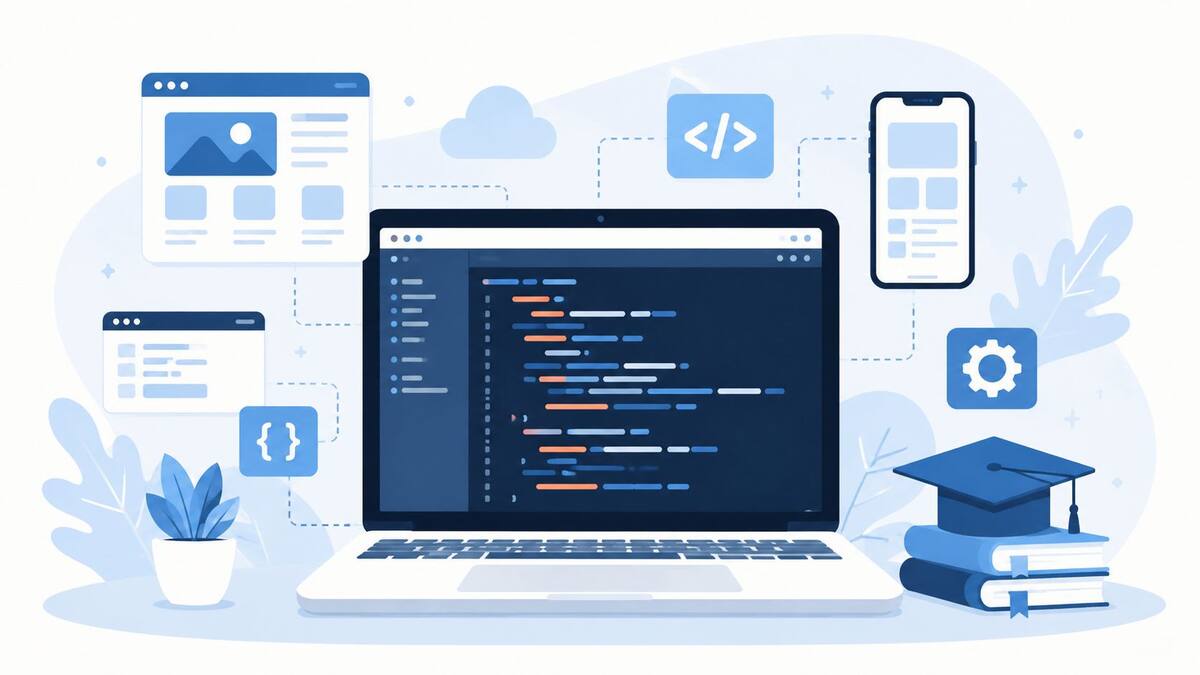
- Custom website and web application development
- Mobile app development for iOS and Android
- Ready-made scripts for project management, social networking, or business tools
- Programming courses or mentorship for beginners
- Business process automation and digital transformation consulting
If you’re evaluating a specific provider, check their site directly for a services page or portfolio, since offerings genuinely differ between entities.
Software Development and Custom App Building
Software development is the most common thread across nearly every business using this name. A typical project usually includes:
- Discovery and planning, to understand what the client actually needs before writing code
- Design, including wireframes or UI mockups
- Development, often using PHP, JavaScript frameworks, or mobile-native languages
- Testing and deployment, to confirm the product works reliably before launch
If you’re hiring, it helps to know that “software development” can mean anything from a simple landing page to a full multi-feature application. Ask for specifics before assuming scope.
Coding Education and Developer Mentorship
Some platforms focus on teaching people to code rather than building software for clients. These programs typically cover:
- Programming fundamentals, like variables, loops, and basic logic
- Web development basics, including HTML, CSS, and JavaScript
- Backend languages such as PHP or Python
- Project-based learning, where students build real applications instead of just following tutorials
This category tends to appeal to beginners, career-changers, and students supplementing formal coursework. If you’re searching because you want to learn to code, this is likely the group you’re looking for.
Digital Agency and Business Automation Services
A smaller portion of these businesses lean toward agency work, helping companies modernize operations rather than building a single product. This often includes:
- Workflow automation, to cut down repetitive manual tasks
- Integrating software tools so different systems work together
- General digital consulting for businesses shifting from manual to digital processes
This category usually serves small and mid-sized businesses that need help modernizing without hiring a full in-house tech team.
Who These Platforms Are Built For
The range of users across these platforms is fairly wide.
For beginners, the appeal is accessibility: structured learning paths and project-based practice that doesn’t assume prior experience.
For professionals, the value is efficiency: pre-built scripts that save development time, or agency partnerships that skip the need for an internal dev team.
This dual audience is normal in software. A single brand name can serve a student learning their first language and a business owner needing a production-ready app, just through different products.
Key Features That Set These Services Apart
Since this isn’t one company, features vary, but a few strengths show up consistently:
- Affordability. Many of the scripts and services out there are priced competitively against larger agencies.
- Practical focus. Educational content tends to prioritize hands-on skills over pure theory.
- Fast deployment. Pre-built scripts, especially on marketplaces, let buyers launch a working product without starting from scratch.
- Niche specialization. Some entities focus tightly on one product type, like project management or social networking tools, often resulting in deeper functionality there.
These strengths aren’t universal across every business using the name, but they’re recurring themes among the active ones.
Benefits of Using Amcoder-Branded Tools and Services
If you’re weighing whether to use one of these services, here’s what tends to work in its favor:
- Lower upfront cost compared to enterprise development agencies
- Faster turnaround for smaller, well-defined projects
- An accessible entry point for people new to coding
- A visible track record on established marketplaces like CodeCanyon, including ratings and sales history
That last point matters more than it might seem. Marketplace listings with visible ratings give you real evidence of past performance, something a generic agency website often can’t offer.
Common Challenges and Things to Watch Out For
To keep this balanced, here are the friction points worth knowing about:
- Name confusion. Because multiple businesses share the name, it’s easy to contact the wrong one or apply reviews meant for a different entity.
- Inconsistent quality. Since these are separate businesses, service quality and support vary significantly.
- Limited public information. Some smaller entities have minimal online presence, making it harder to verify credibility.
- Compatibility notes. Some listed scripts mention support for older browsers like Internet Explorer, which is worth checking if you expect a modern codebase.
None of these are dealbreakers, but they’re worth knowing before committing time or money to any specific provider.
How to Choose the Right Amcoder Service for Your Needs
If you’re trying to decide whether to use one of these services, here’s a practical approach:
- Identify the category first. Are you looking for custom development, a ready-made script, or coding education?
- Check for verifiable history. Marketplace listings with ratings and sales counts are more trustworthy than a site with no reviews.
- Read the fine print on compatibility and support. Confirm what’s included after purchase, including updates and documentation.
- Ask direct questions before paying. A quick message to confirm scope, timeline, and pricing avoids most misunderstandings.
- Compare against other options too. There’s no reason to limit your search to one brand name.
This applies whether you’re hiring for a project, picking a course, or buying a script.
FAQs
Is Amcoder a real company?
Not a single one. It’s a name used by several separate businesses and individuals in software development, coding education, and digital services. Which one you’re dealing with depends on where you found the name.
What services does it offer?
Depending on the entity, services include custom web and app development, pre-built PHP scripts, programming courses, and business automation consulting. There’s no single service list, since these are independent businesses.
Is it legit?
Some businesses using this name have verifiable track records, like marketplace ratings and sales history on platforms such as CodeCanyon. Others have limited public information. Check reviews for the specific entity you’re considering rather than assuming legitimacy applies across all of them.
How much do the services cost?
Pricing varies by entity and service type. Publicly listed marketplace scripts have ranged from roughly $49 to $69, while custom development or consulting would be quoted separately based on project scope.
Is it good for beginners learning to code?
If you mean an education platform using this name, many are built for beginners with structured, project-based lessons. Check the specific platform’s curriculum and reviews before enrolling.
Conclusion
Amcoder isn’t a single brand with one clear identity. It’s a name shared by several independent software developers, coding educators, and digital agencies, each with its own services, pricing, and reputation. That’s not a red flag, just a naming coincidence that happens more often in tech than people expect.
The main takeaway: don’t treat it as one entity. Identify which specific business or platform you’re dealing with, check their track record, and evaluate them on their own merits, the same way you’d evaluate any developer, course, or agency you’re considering.
Read more: Droven io DevOps Tutorials: Complete Guide for Beginners